Punctures, lacerations, burns, scrapes, bites, bruises, surgical incisions, or injuries sustained during real-life confrontations are all part of what a protection dog might face throughout their working life.
It comes with the job.
These dogs are exposed to more physical risk than the average pet. They train harder, respond faster, and step into dangerous situations without hesitation. That kind of work comes with wear and tear and sometimes real injury.
And when it happens, you won’t always be in a position to get to a vet in real time.
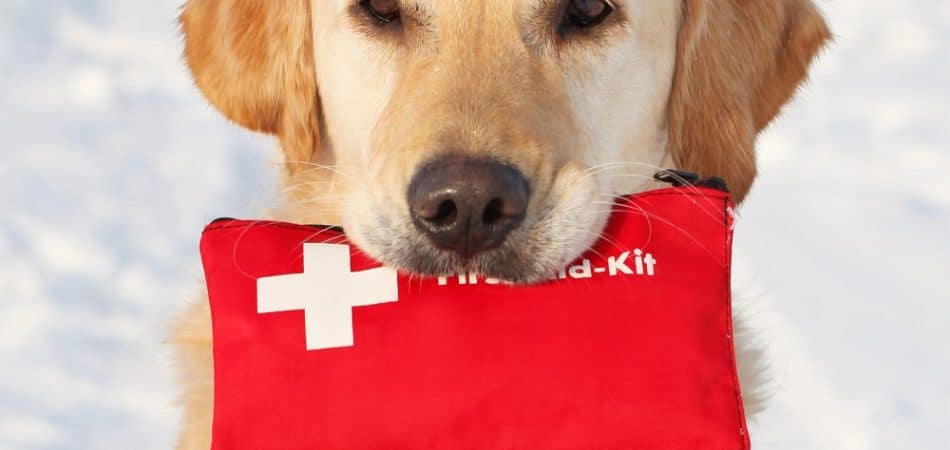
That’s why a well-stocked, ready-to-use first-aid kit is non-negotiable. And no, I’m not talking about one with cartoon bandages (nothing against cartoons) and a crusty bottle of expired antiseptic.
I’m talking about a kit built for real injuries: torn pads that won’t stop bleeding, deep cuts from bite work, or heat exhaustion after a session in full gear.
This guide covers 11 items every protection dog handler should have in their kit and why each one matters.
Wounds happen. Whether it’s a torn paw pad or a bite wound, you’ll need something sterile to cover it fast.
Non-adherent dressings are ideal because they don’t stick to the wound, which means less trauma when you remove or change them.
Bonus Tip: Keep a few sizes on hand—small enough for a toe, large enough for a shoulder.
Vet Wrap is a staple for any canine first-aid kit—for good reason. It sticks to itself, not fur, which makes it perfect for wrapping a moving, high-drive dog without causing pain during removal.
It’s lightweight, breathable, and tears easily by hand. Use it to cover wounds, secure gauze, or support a strained joint.
Pro Tip: Wrap it snug, not tight. Too much pressure can cut off circulation and turn a minor injury into a bigger problem. Always check the wrap above and below for swelling or coolness.
Infections set in fast, so clean open wounds quickly, especially in working dogs.
Chlorhexidine is a reliable go-to. It’s tough on bacteria but gentle enough for canine skin. Use it for flush cuts, cleaning bite wounds, or removing scrapes before bandaging.
Avoid: Hydrogen peroxide—it can damage healthy tissue and delay healing.
Dogs can’t tell you when they have a fever or are suffering from heatstroke. A digital thermometer (used rectally) gives you vital information fast. Normal canine temperature ranges from 101°F to 102.5°F.
Why it’s a must: Overheating can happen quickly during training or in hot weather. A thermometer helps you assess the urgency of the situation.
Ticks constantly threaten protection dogs working in fields, woods, or even suburban yards. And they are not just gross but potentially deadly.
These tiny parasites can carry serious diseases like Lyme, Ehrlichia, Babesia, and other nasty pathogens, affecting your dog’s health if not caught early.
Tip: When removing a tick, use slow, steady pressure and pull straight out. Don’t twist—it can cause the head or mouthparts to break off and stay lodged in the skin, increasing the risk of infection.
Dust, dirt, and debris are part of the job, especially for protection dogs working outdoors or in high-intensity environments. A sterile saline solution is one of the safest ways to flush out eyes or rinse wounds without causing further irritation.
It’s gentle, effective, and doesn’t sting.
Use it to clean minor cuts, flush out grit after training, or rinse an eye if your dog starts pawing at it.
Necessary: Always use sterile, store-bought saline. Homemade saltwater might seem like a quick fix, but it’s not sterile and can introduce more problems than it solves.
 An injured protection dog might react defensively when touched, especially around a painful area. A muzzle helps keep everyone safe while you handle the situation.
Keep a soft, adjustable muzzle in your kit that fits well and goes on quickly. You may never need it, but if your dog is bleeding, panicked, or in pain, it can prevent a bad situation from worsening.
It also stops your dog from licking or chewing at a wound while you’re prepping for transport or waiting to see a vet.
Important: Train your dog to tolerate the muzzle before you need it. In an emergency, you don’t want the muzzle to add stress.
Overheating, sprains, and bruises aren’t rare when your dog’s working hard. Whether it’s bite work in the sun or a rough landing during a takedown, their body takes a hit. Cold packs help take the edge off fast.
Use them to reduce swelling, manage heat stress, or cool your dog down after intense work. Keep a few instant ones in your kit: they activate without refrigeration and are easy to stash.
Emergency use: If your dog is overheating, apply cold packs to the groin, armpits, or paw pads while you’re en route to the vet. It won’t fix the issue, but it can help stabilize them.
Allergic reactions can come from anywhere—bee stings, insect bites, environmental triggers. Benadryl can help ease swelling, itching, or even early signs of anaphylaxis when used correctly.
It’s fast, easy to carry, and vet-approved for many dogs.
The general dose is 1 mg per pound, but always confirm with your vet for your specific dog.
Important: Only use plain Benadryl. No added decongestants or extended-release formulas. And never guess on dosing during a crisis. Know it ahead of time.
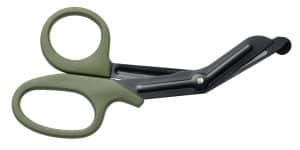 Sometimes you must cut through collars, bandages, harnesses, or even matted fur to get to a wound.
That’s where trauma shears come in. They’re built to handle thick material and are safer around skin than regular scissors.
Toss a pair in your kit and forget about them until you need them. When things go sideways, you’ll be glad you have a tool that doesn’t slow you down.
This is one of the most overlooked tools in any kit. Keep a waterproof, laminated card listing your dog’s:
Why it’s a must: Someone else may have to act on your behalf in an emergency. Having this info ready can save precious time and prevent miscommunication.
Also include: Any training commands or cues that others should know (e.g., “Out,” “Stay,” or release words).
Not every emergency involves blood or broken skin. Stomach issues are another common problem, especially in protection dogs under stress, in training rotations, or after a sudden environmental change.
Vomiting, diarrhea, or refusal to eat might seem minor at first, but they can escalate fast. Always call your vet if symptoms last over a few hours or come on suddenly.
For mild digestive upset, some vets recommend probiotic supplements to help reset the gut. Products like Nutramax Proviable can support recovery and are worth keeping in your kit, especially if your dog has a sensitive stomach.
A few more things worth adding:
And remember: check your kit every six months. Replace expired meds, restock used supplies, and ensure everything still works—because when you reach for it, you want it ready.
 904-441-8475