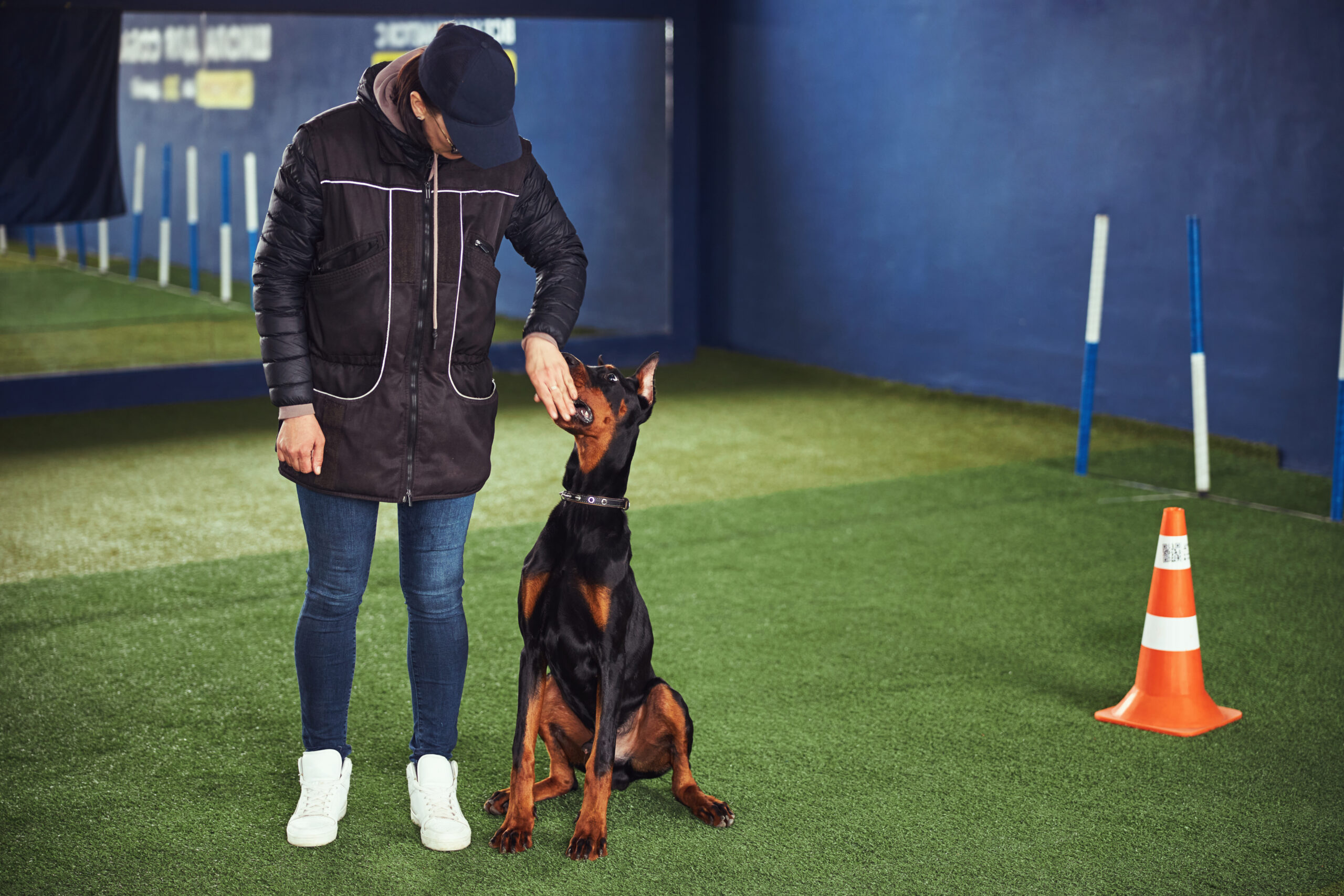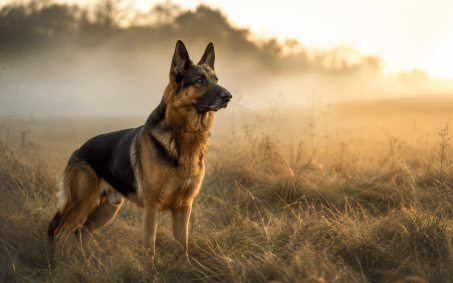
When most people think of protection dog training, they picture big open fields, decoys in bite suits, and high-adrenaline scenarios. And sure—that’s part of it.
But what happens when it’s pouring outside, you’re short on space, or you just want to keep your dog sharp without leaving the house?
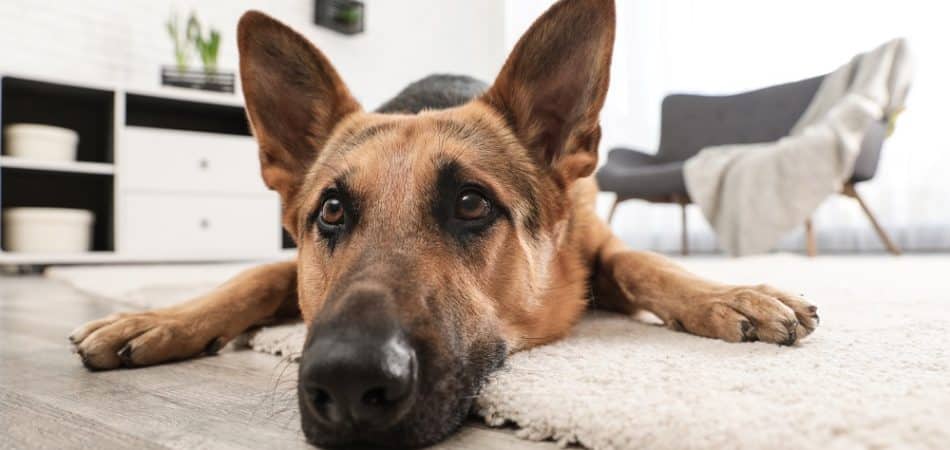
Protection dogs aren’t wired to lounge around all day. And without regular mental and physical stimulation, they can get bored.
Boredom in working dogs doesn’t just mean a little restlessness. It can lead to anxiety, destructive behavior, and even weight gain.
The good news is that there are several indoor training exercises you can do with your dog.
Protection dogs need regular mental and physical stimulation to stay sharp, focused, and well-adjusted.
But life happens—storms roll in, travel interrupts your routine, or you simply don’t have access to open training spaces every day.
Indoor training fills that gap. Done right, it:
Let’s walk you through some indoor training exercises you can enjoy with your dog.
 Teach your dog to touch a target stick, your hand, or stand on a small platform (place). Start one step away, mark the instant they touch or step up, then release. Gradually increase distance, angle, and distractions.
Precision targeting tightens heel positions and prepares your dog for doorway recalls or vehicle exits.
Pro‑tip: Rotate different “place” objects during training sessions so your dog learns the behavior is tied to the cue, not the object. This builds fluency and transferability on any surface.
Practicing directional movement indoors builds spatial awareness, control, and response speed.
Here’s how to set it up:
Once your dog understands the movements, take it further:
Safety reminder: Remove slippery rugs or clutter to prevent joint strains and avoid injuries.
The quiet of your home makes it an ideal space to reinforce the basics.
Focus on:
These drills sharpen your dog’s focus and self-control, creating calm under command. And the more solid these behaviors are indoors, the more reliable they’ll be in high-stress outdoor environments.
If you’re experienced and have the proper gear, short indoor bite sessions can be a great way to reinforce engagement, control, and cleanouts.
Use equipment like:
Indoor spaces demand extra awareness:
Above all, stay focused on control over intensity.
Scent work channels your dog’s natural drive into a mentally demanding challenge—one that builds focus, patience, and problem-solving.
Set it up like this:
When they locate the item, mark the behavior and immediately reward with a high-value treat, toy, or quick tug session.
To keep your dog progressing:
You can build your protection dog’s discipline through impulse control games like “Leave it,” “Wait,” and food refusal drills.
These exercises teach your dog how to pause, think, and respond—even when excitement is high.
Here’s a great one to try:
 Lay a row of treats on the floor.
You can expand this by:
These drills turn raw drive into channeled control. And in protection work, that’s everything.
Your protection dog should respond to more than just your voice. Teaching silent cues builds deeper communication, promotes calm focus, and keeps you discreet in sensitive situations.
Start with clear, exaggerated hand signals:
Once your dog consistently responds, gradually minimize the motion until a subtle finger flick or glance becomes enough. Silent obedience eliminates unnecessary adrenaline spikes and gives you a tactical edge when verbal commands might escalate a situation.
Your home is your dog’s primary territory and the ideal setting to rehearse real-life protection scenarios in a safe, low-pressure way.
Set up simple drills using familiar triggers:
As the event unfolds, cue your dog to alert—this could be a single bark or a focused stance. Immediately follow with a command to go to place or heel, and only release them when calm and under control.
The goal isn’t to create a high-adrenaline reaction. It’s to teach your dog to read the situation, respond appropriately, and disengage on command.
These controlled rehearsals build your dog’s situational awareness, help distinguish between real threats and daily life, and reinforce the calm confidence that defines a true protection dog.
Precision heeling doesn’t require a training field—your home offers all the obstacles you need.
Practice by:
Require eye contact, shoulder alignment, and responsiveness throughout. Mix up the pace with slow shuffles, sudden halts, or brisk jogs to mimic real-life movement.
End the session with a relaxed “Free” cue—helping your dog learn how to switch off and settle after a task is complete.
If your dog has access to stairs, use them to build body awareness, control, and joint strength.
Try this:
For single-story homes, substitute a low aerobic step or build a pyramid from couch cushions. It’s low-impact, high-benefit training that improves balance and proprioception, critical for athletic, working dogs.
 Puzzle toys like snuffle mats, lick mats, and treat-dispensing balls help satisfy your dog’s need to “work” for their reward. These tools engage the nose, calm the nervous system, and slow down fast eaters, making them especially helpful for anxious dogs.
Now, not every puzzle has to be calming. Some toys are designed to ramp up engagement and provide light indoor exercise, especially treat-dispensing balls that send your dog trotting from room to room.
Rotate puzzles daily to keep things fresh, and aim for 10–15 minutes of mental work after training sessions. It’s the perfect way to help your dog wind down without undoing all the structure you’ve just built.
Mix and match two or three of these drills each day, keeping each exercise short—about 5 to 10 minutes. Focus on having fun and building trust with your dog.
Avoid harsh corrections. Instead, set your dog up to succeed and make it easy for them to earn rewards. Celebrate the wins, no matter how small.
These sessions don’t have to be rigid or overly structured. Rotate exercises in any order that fits your schedule, and whenever possible, involve the whole family. That way, your dog learns to respond to different people and stays socially balanced while sharpening their skills.
Consistency matters, but flexibility keeps it sustainable.
Need help creating a personalized indoor training plan for your protection dog?
Contact Vanguard Protection Dogs today for expert guidance, proven methods, and support tailored to your home and lifestyle.
 904-441-8475