Dogs are the most popular pet in the U.S., with 65.1 million households sharing their homes with one. We’ve seen a steady rise in ownership over the years, and between 2016 and 2022 alone, the numbers jumped from 38.4% to 44.5% of U.S. households.
I’d argue that’s more than just a pet trend. It’s a reflection of changing priorities around home life, safety, and companionship.
Among these new dog owners, 8% were first-timers, many of whom brought home their first pup during the pandemic. And while some were simply seeking connection and comfort, others had a different goal in mind: protection.
As interest in personal and home security grows, so does the demand for guard dogs.
But here’s the thing—guard dogs are built differently.
Some breeds thrive under the guidance of experienced handlers. Others need firm (but fair) leadership. And a few? They’re just too much dog for someone new to the game.
So, choosing the right breed matters and not just for your safety, but for your sanity.
The tricky part, though, is finding a breed that fits you (your lifestyle, energy, and ability to lead).
And that’s exactly what this guide is here to help you do.
Guard dogs, by nature, are strong, intelligent, loyal, vigilant, and sometimes dominant. But for beginners, the goal isn’t to wrangle a high-drive working dog on day one.
You want a dog that strikes the right balance between protection and manageability.
Here’s what to look for:
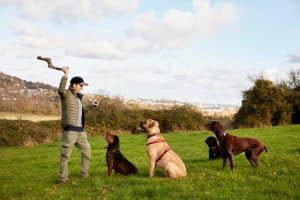 A good beginner guard dog should be eager to learn, responsive to commands, and not overly stubborn or independent. You want a breed that enjoys working with you, not against you.
Even-tempered dogs bring more stability into your home. They’re calm under pressure, less reactive to unfamiliar situations, and better at reading social cues.
Life changes. First-time owners need dogs that adjust well to new environments, different routines, and unfamiliar people without melting down or going on alert over every minor change.
The goal is to have a dog that watches over your home and family, without becoming reactive or aggressive without cause.
Most first-time owners make one common mistake:
They go for looks, muscle, bark volume, and aggression, thinking that’s what makes a good guard dog.
The truth? A powerful dog without stability becomes a liability.
If you’re new to dog ownership, you don’t need a guardian with a hair trigger. You need a protector that’s steady, responsive, and manageable. A dog that can switch from playmate to guardian and back again without causing chaos in your home.
So instead of chasing intimidation, look for these traits:
Shyness or nervous energy can lead to fear-based aggression. A confident dog doesn’t feel the need to overreact, and that’s the kind of steady temperament you want.
Every dog has a unique personality, from goofy and outgoing to calm and reserved. As a first-time dog owner, look for a breed with a stable, predictable temperament to avoid challenges like mood swings or overly intense behaviors.
Also, choose a dog whose energy and vibe match your lifestyle. If you’re laid-back, a high-energy, rambunctious pup might overwhelm you. If you’re active and social, a quiet, aloof dog may not keep up.
High-drive breeds need jobs, structure, and constant stimulation—or they become destructive and frustrated. Dogs with moderate energy are easier to manage for first-timers who are still learning the ropes.
Your guard dog will need to live peacefully with your family, your friends, and possibly even other pets. Sociable breeds are more flexible and easier to integrate into day-to-day life.
Dogs that are willing to listen and follow commands are much easier to train and manage, especially in high-pressure situations.
Let’s now look at some actual breeds that tick all these boxes.
Here’s a breakdown of five protective breeds that combine safety, loyalty, and approachability, making them perfect for beginners.

Boxers are playful, affectionate, and naturally protective without being aggressive. They’re great with kids and thrive in family environments.
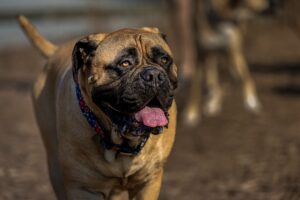 Calm, courageous, and incredibly loyal. Bullmastiffs are not overly reactive but will stand between you and a threat in seconds. Low energy indoors, making them ideal for quieter homes.

Dobermans are intelligent and fiercely loyal. When trained properly, they are obedient, gentle, and incredibly protective.
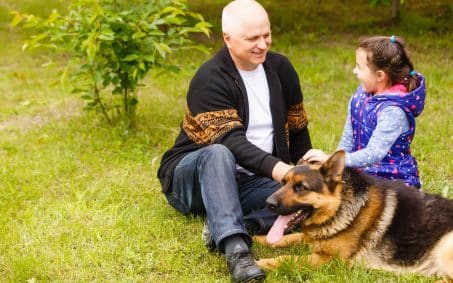
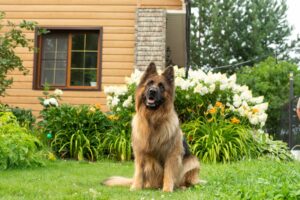 The ultimate all-rounder. German Shepherds are smart, versatile, and protective—but also deeply loyal and loving. They’re popular with first-timers who are ready to commit to their needs.
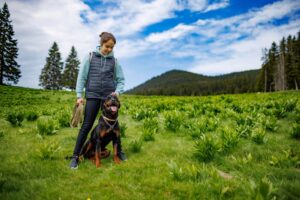
Rottweilers have a tough exterior, but underneath, they’re calm, confident, and incredibly loyal to their families. With the right training and socialization, a Rottweiler can be one of the most dependable and affectionate protection dogs out there.
Yes, they’re strong and require firm leadership. But that doesn’t mean they’re unmanageable.
In fact, their intelligence and desire to please make them highly trainable, even for beginners willing to put in the work. They’re also surprisingly patient with children when properly socialized and trained.
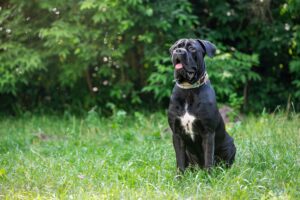
Cane Corsos are striking, intelligent, and deeply loyal. Bred for guarding property and protecting their families, they have a natural sense of duty and a strong protective instinct. With the right handling, they can be calm, affectionate, and incredibly devoted.
I’ll be honest:
Cane Corsos are not for everyone, especially not for the unprepared.
These dogs need firm, experienced leadership, clear rules, and ongoing structure. Without it, they can become territorial, dominant, or difficult to manage.
They’re not aggressive by nature, but they are confident and powerful—and they’ll take control if you don’t.
If you’re a first-time owner who’s willing to invest in professional training, consistent socialization, and strong daily leadership, the Cane Corso may be a fit.
If not, it’s better to choose a breed that’s more forgiving of inexperience.
Staffies are often called “nanny dogs” for a reason. They’re incredibly affectionate, great with kids, and deeply bonded to their people.
While they’re not traditional guard dogs, their alertness and loyalty make them excellent watchdogs.
They may not have the size or intimidation factor of a Doberman or Rottweiler, but Staffies are fearless and confident. And their manageable size, cheerful energy, and eagerness to please make them a solid choice for first-time owners.
Bonus: They’re low-maintenance in grooming, and their sociable nature means they often do well in homes with other pets (if introduced early and properly).
Before you bring home your first guard dog, ask yourself:
Protection instinct without guidance is a recipe for disaster. Even the gentlest breeds need obedience training and socialization.
A German Shepherd’s energy is different from a Bullmastiff’s. Know what you’re signing up for.
Guard dogs need structure, exercise, mental engagement, and regular vet care. It’s not a set-it-and-forget-it solution.
If you have young kids, frequent visitors, or live in an apartment, some breeds may fit better than others.
Trainers, behaviorists, and breed-specific clubs can be incredibly helpful resources when questions (or challenges) arise.
But before working with any professional, breeder, or training facility, take time to do your homework. Read reviews, ask for references, and trust your gut.
We’ve all heard the horror stories—poor training, unethical breeding, and outdated methods that do more harm than good. Getting the right support can make all the difference in raising a well-balanced guard dog.
Now,
We specialize in matching first-time owners with the right protection dogs—trained for both family life and real-world threats.
Each of our dogs is hand-selected from reputable breeders, then put through a rigorous training program focused on obedience, real-world protection, and family integration.
Here’s what you can expect:
Visit us today or schedule a free consultation now to speak with a specialist.
 904-441-8475