Age doesn’t mean vulnerability. But let’s also be real—some challenges just hit differently as we get older. I mean security concerns, physical limitations, slower response times, reduced stamina, adjusting to new routines, and increased time spent at home.
And for many seniors, that brings up an important question:
“How do I stay safe without sacrificing my comfort? ” That’s where protection dogs come in.
However, before anyone rushes out to bring home a trained Malinois or a German Shepherd with a military background, there are some serious considerations to take into account. Because not every “ideal” protection dog is the right fit for a senior, and not every senior has the same needs.
This isn’t about stereotypes. It’s about making thoughtful, informed decisions that match lifestyle, energy levels, and long-term goals. So if you’re a senior (or shopping on behalf of one), this one’s for you.
Home security systems are great. Cameras? Sure. Motion lights? Absolutely.
But here’s what a 24/7 protection dog does that gadgets can’t:
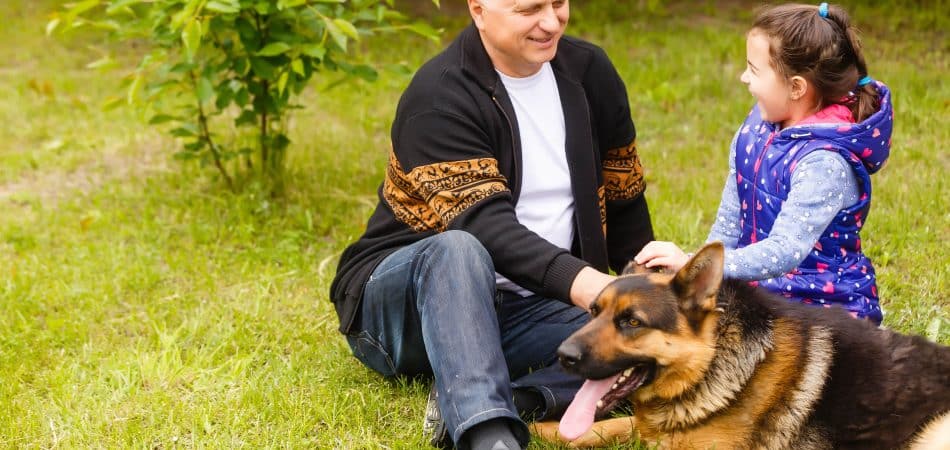
Protection dogs fill a unique space—somewhere between security, service, and emotional support. And for many seniors, that combo is exactly what they need.
As we age, isolation becomes increasingly common, especially after retirement, the loss of a spouse, or the onset of limited mobility. And while friends and family do what they can, they’re not always around. That’s where a protection dog makes a quiet but powerful difference.
Beyond the security they offer, there’s a deeper benefit: presence and companionship. A reason to get up, stick to a routine, and feel needed. That might not be the first reason someone looks into getting a protection dog, but for many seniors, it ends up being the most valuable.
Now, not every “protection breed” is the right fit for a senior.
In this case, you’re not just considering the level of training in the dog; there’s the energy level, maintenance, and handler compatibility.
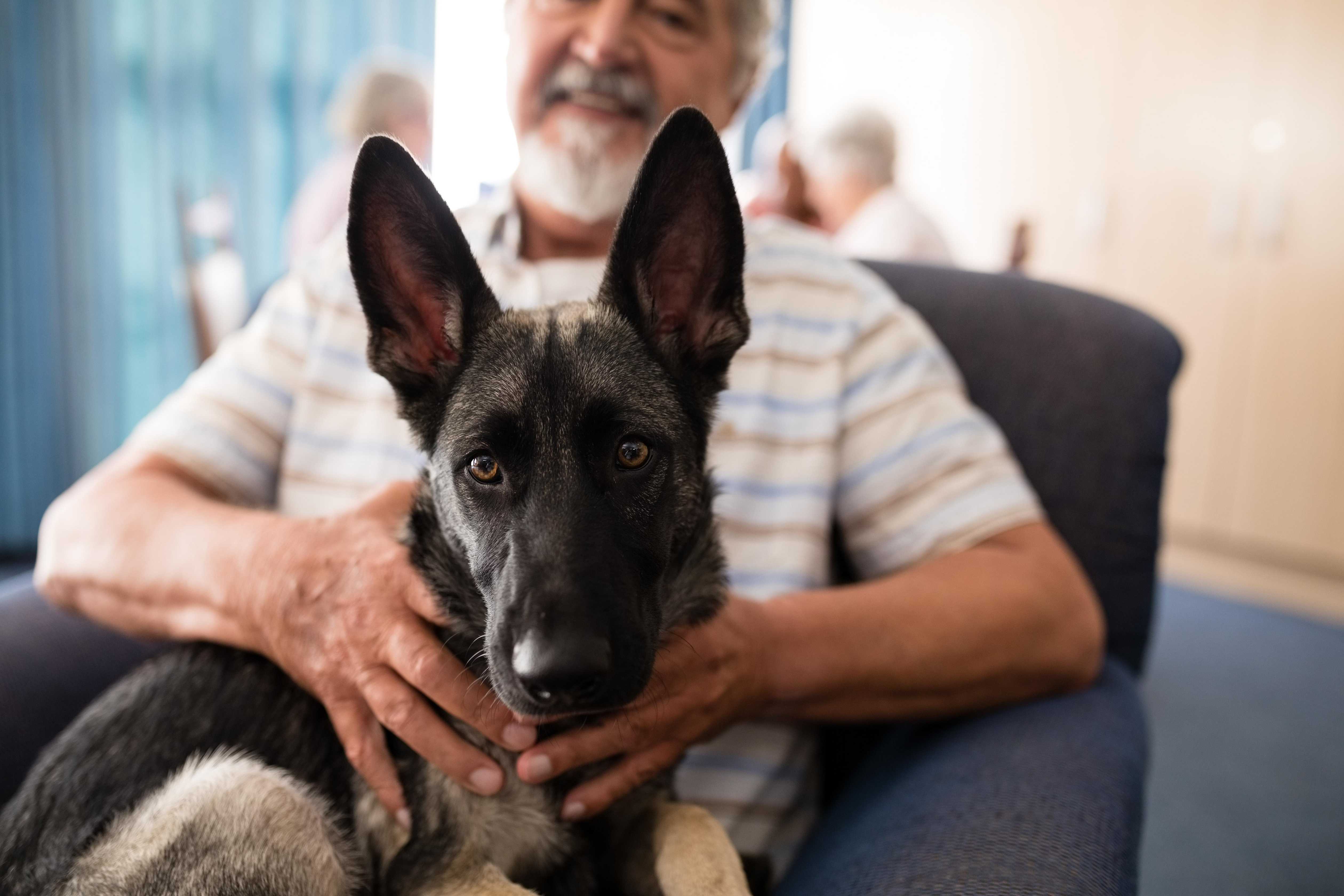
A few questions worth asking:
Protection dogs, even well-trained ones, need regular exercise and mental stimulation. Is the senior up for daily walks and training refreshers?
If there’s a family member, dog walker, or neighbor involved in care, that can change the equation. If not, that’s another factor to consider.
Big dogs in small apartments with less exercise? Not ideal. Outdoor access, yard space, and interior layout all matter.
Some seniors want a dog that looks the part and gives peace of mind. Others want a canine bodyguard. These are two different use cases—and they require different kinds of training and dogs.
Let me go ahead and say it: “best” doesn’t mean the most aggressive or intimidating. “Best” means manageable, responsive, reliable, and safe for both the owner and others.
Here are a few breeds that often strike the right balance:
Intelligent, loyal, and highly trainable. They bond strongly with their owners and can adapt well to slower-paced households if properly exercised.
But: They do shed, and they need consistent structure and engagement.
A bit of a wild card here, but hear me out. Boxers are protective without being overly aggressive. They’re also known for their playfulness, which can bring joy and energy into a home.
But: They can be stubborn. Needs an experienced trainer or handler setup.
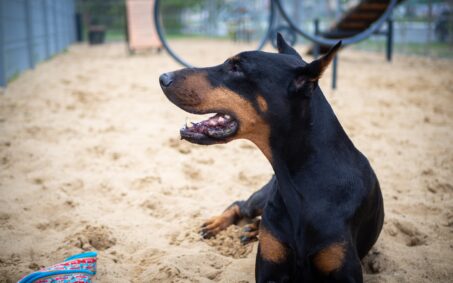
Sleek, smart, and intimidating just by standing still. Dobies form strong bonds with their people and are natural protectors.
But: They need socialization early on. And they have energy to spare.
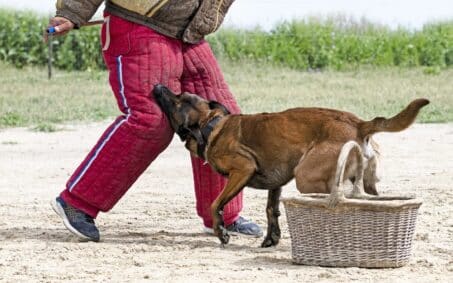
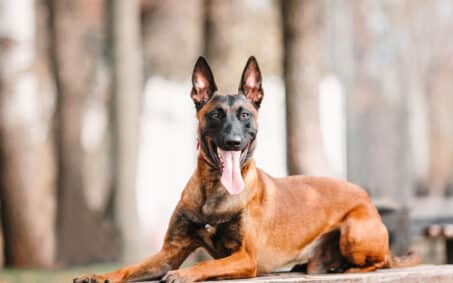
Highly trainable and alert—this is the go-to for police and military work.
But: Most seniors should steer clear. Mals are high-octane and demand a lot. If there’s a support system in place? Maybe. But solo seniors? Probably not.
Wait… a Rottweiler? Yup. When properly trained, they’re calm, confident, and deeply loyal. Many are surprisingly gentle and intuitive with their people—especially in a quiet home environment.
But: Early training and socialization are non-negotiable. They’re strong dogs, and without structure, they can be a handful.
Big, calm, and deeply loyal—the Bullmastiff is often called a “silent guardian” for a reason. Originally bred to guard estates from intruders, this breed has an instinct to protect without being overly aggressive or reactive.
Their sheer size can be intimidating to strangers, but to their owners—especially seniors—they’re gentle giants.
They tend to be low-energy indoors, are highly trainable, and form strong bonds with their people.
They’re not the type to bark for no reason or demand constant stimulation. Instead, they’re content to keep an eye on things while lounging nearby. And that’s exactly the kind of dependable presence many senior owners appreciate.
That said, early training and consistent boundaries are key. Bullmastiffs are intelligent but strong-willed.
A protection dog is an investment—and I’m not just talking money. It’s time, energy, consistency, and yes—health.
For the Senior:
For the Dog:
A trained protection dog isn’t cheap, and it shouldn’t be. At first glance, it might seem like you’re just paying for the dog.
But in reality, you’re paying for:
A fully trained protection dog can range anywhere from $50,000 to $250,000 or more, depending on training level, breed, and pedigree. But again, price isn’t the most important factor. Fit is.
For seniors, it often makes sense to lean toward dogs that are trained in deterrence, obedience, personal protection, and companionship over dogs trained in full-scale military work. It’s more manageable. And still incredibly effective.
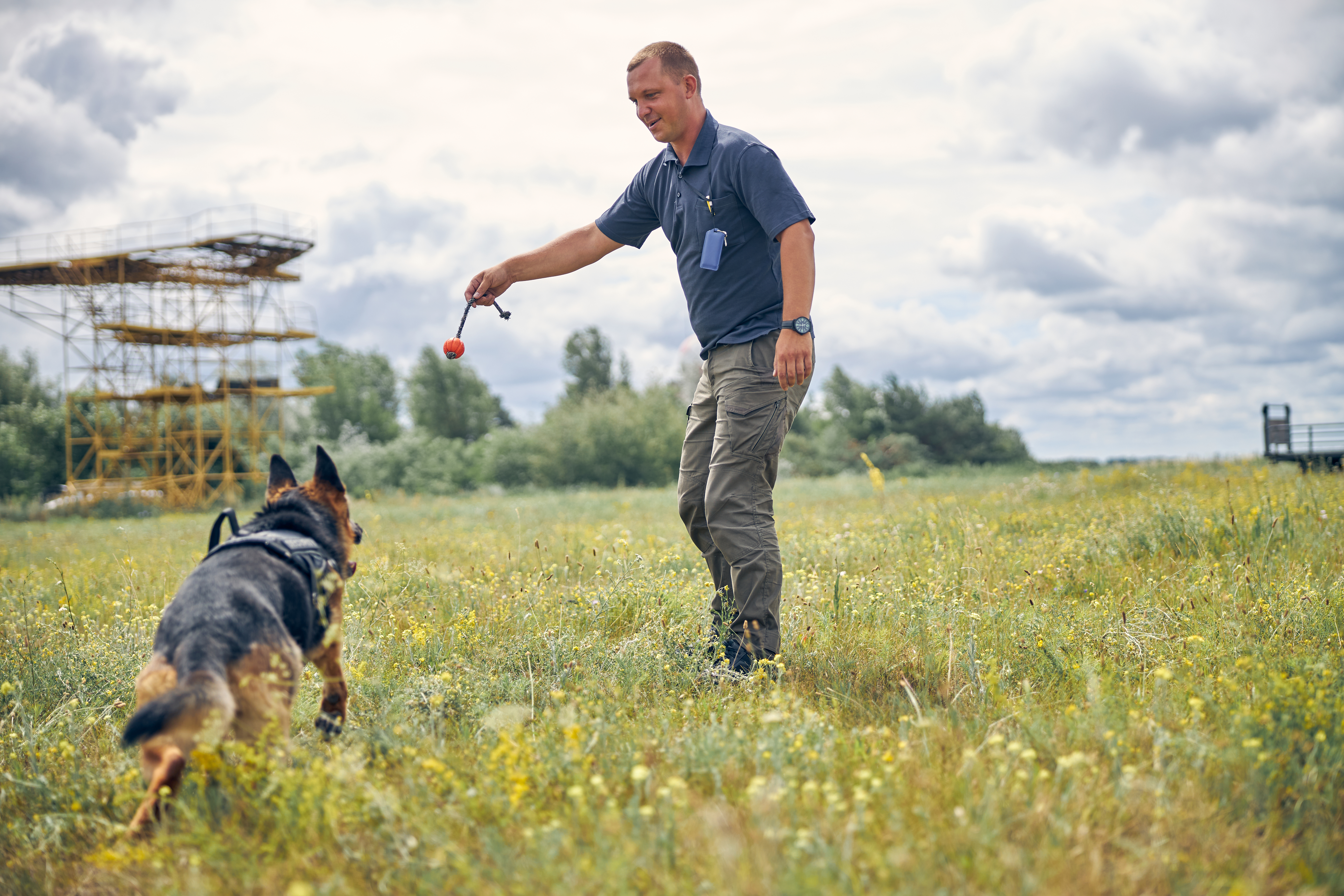 Let’s not pretend every senior is going to handle a protection dog 100% solo. And that’s okay.
What matters is whether there’s a reliable support system in place to fill in the gaps.
That might look like:
Protection dogs thrive with consistency. Seniors thrive with support. Marry the two, and you’ve got a winning combo.
I’m going to be brutally honest for a second. A protection dog is not a magic wand. It’s not a passive alarm system. It’s a living, breathing, highly intelligent animal that demands engagement, structure, and responsibility.
A protection dog may not be a good fit if:
Okay, so the decision’s been made. The dog is coming home. Now what?
Here’s how to make that transition smooth for both senior and canine:
Take your time. Make the decision slowly. Ask questions. Talk to experts.
And most importantly: focus on fit over flash. A calm, well-matched dog will always serve you better than the flashiest one on paper.
Visit Vanguard Protection Dogs to learn more or schedule a consultation with our experts. Let’s help you find a protector who brings you peace of mind, not chaos.
 904-441-8475